
 Business License
Steel Plate Selection & Application Guide: Materials, Specs, Performance & Industrial Application Ti
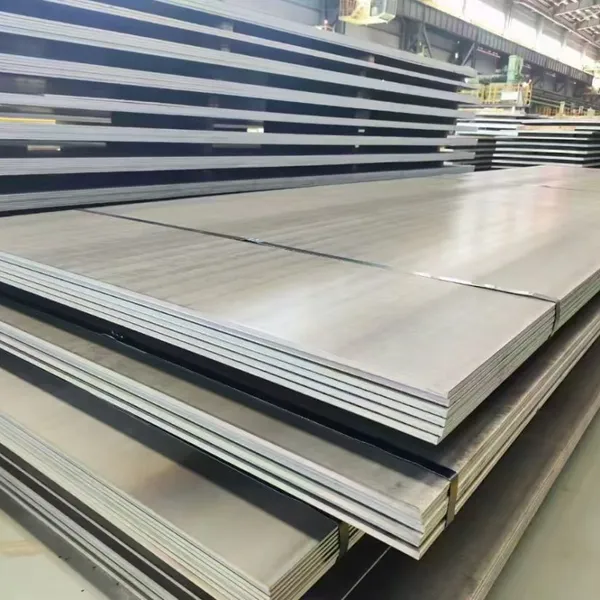
Steel Plate is one of the most basic and widely used metal materials in industrial manufacturing and engineering construction. Steel Plate is extensively applied in construction steel structure, machinery manufacturing, shipbuilding, pressure vessels, bridge engineering, automobile manufacturing, equipment enclosures and many other fields. The material, thickness, strength and surface treatment of Steel Plate directly determine product quality and project safety, so correct selection of Steel Plate is extremely important.
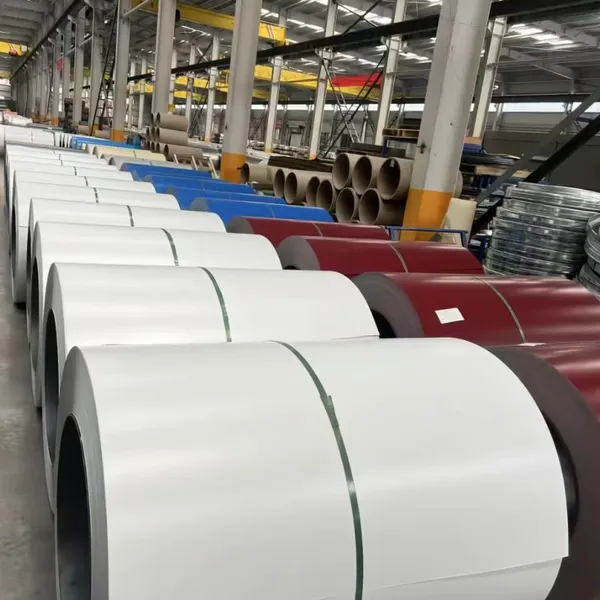
Steel Plate can be divided into thin plate, medium plate and thick plate by thickness, and can be classified into mild steel plate, low alloy steel plate, high strength steel plate, boiler steel plate, vessel steel plate and checkered plate by material. Steel Plate features excellent workability and can be processed by cutting, bending, welding, stamping, drilling and surface anti-corrosion treatment to meet production needs of various structural parts and components.
Medium and heavy Steel Plate has high strength, good toughness and impact resistance, commonly used in large steel structures, bridges, ships, machinery bases and pressure vessel manufacturing, making it an indispensable Steel Plate type under heavy load and high pressure environments. Thin Steel Sheet has flat surface and precise dimensions, suitable for appliance panels, automobile shells, decoration engineering and precision sheet metal processing, allowing Steel Sheet to play an important role in light industry and high-end manufacturing.
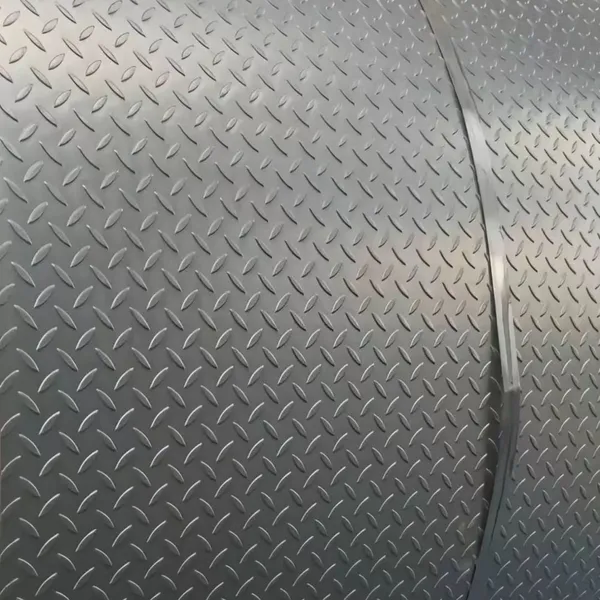
Checkered Steel Plate is anti-slip and wear-resistant, mostly used in workshop floors, stair treads, carriage floors and engineering machinery platforms to improve the safety of Steel Plate application. Boiler Steel Plate and vessel Steel Plate have high temperature resistance, high pressure resistance and corrosion resistance, ensuring stable long-term performance of Steel Plate under special working conditions.
When purchasing Steel Plate, priority should be given to confirming material standard, thickness tolerance, yield strength, tensile strength and surface quality. Choose Steel Plate produced by regular steel mills to ensure Steel Plate meets national and industrial certification requirements. With industrial upgrading, high-performance, lightweight and anti-corrosion Steel Plate is continuously upgraded, further expanding the application of Steel Plate in new energy, prefabricated construction, high-end equipment and marine engineering.
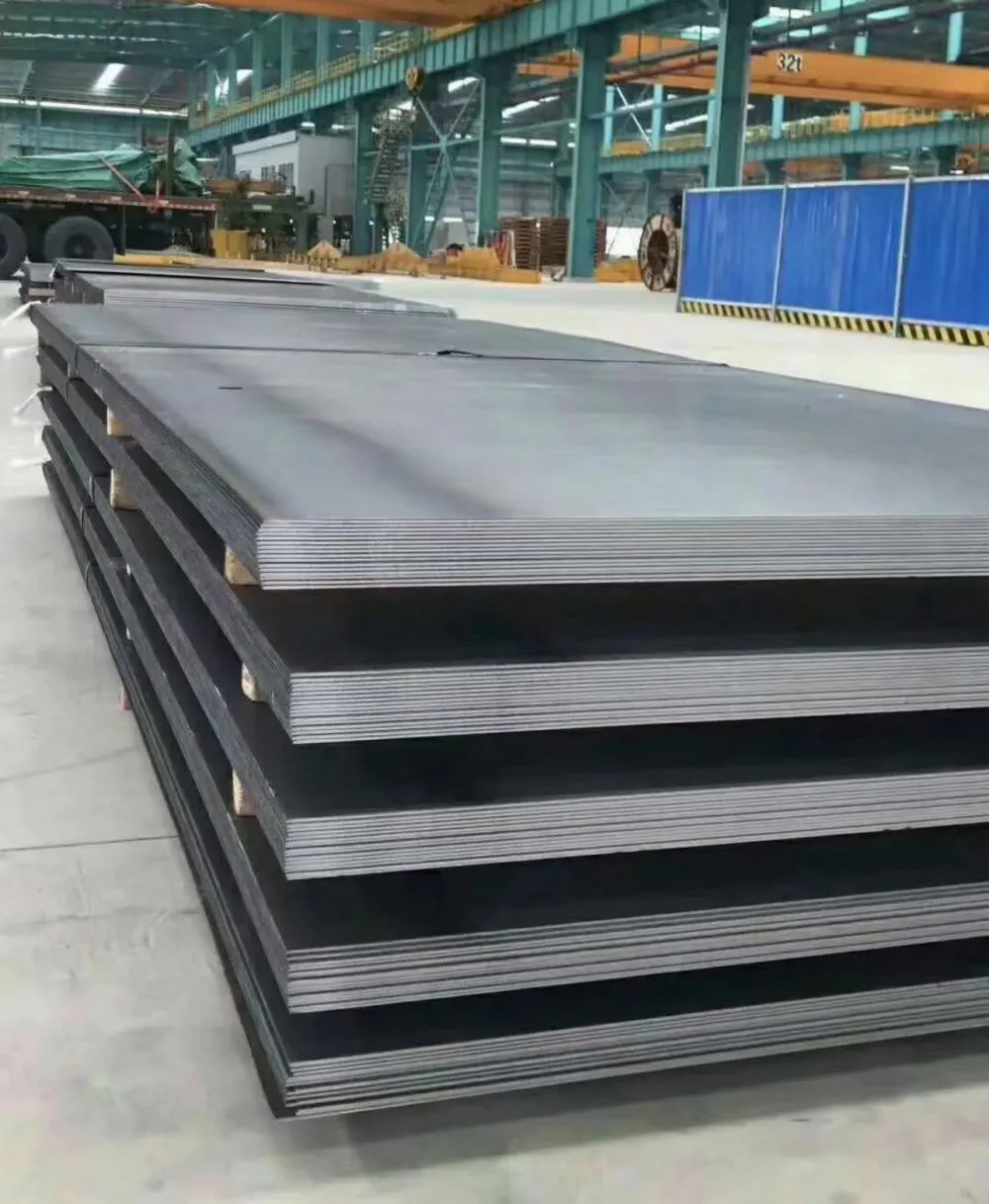
Reasonable selection, standardized application and scientific processing of Steel Plate are key to improving product quality, reducing costs and ensuring engineering safety.
Recently Posted
-
Hot‑Rolled Steel Coil (HRC): Specifications, Grades, Applications & Export Guide
August 28, 2026Hot‑Rolled Steel Coil (HRC): Specifications, Grades, Applications & Export GuideHot‑rolled steel coil (HRC) is one of the most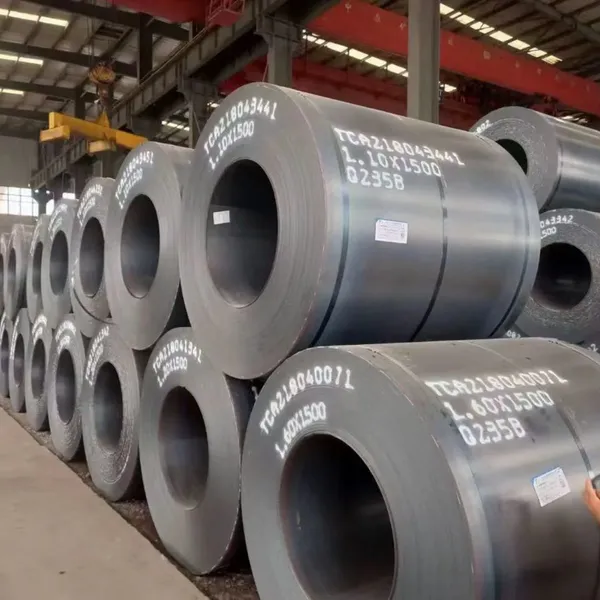 Read More
 -
Deformed Steel Rebar: Specifications, Grades, Applications and Export Guide
August 28, 2026Deformed Steel Rebar: Specifications, Grades, Applications and Export GuideDeformed steel rebar, also known as reinforcement bar,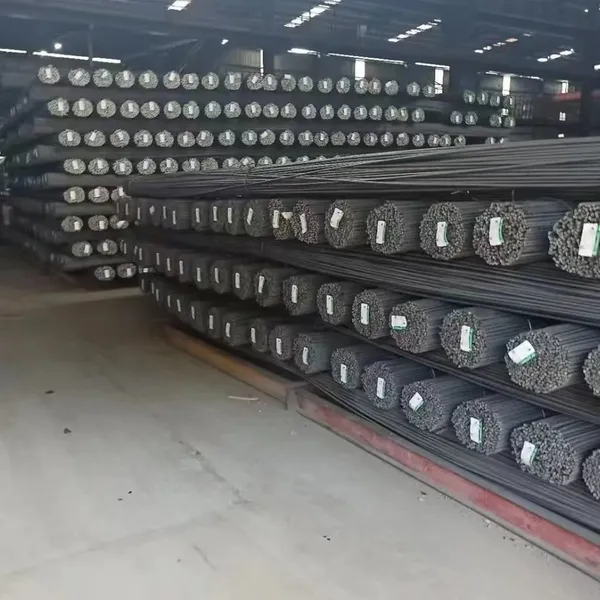 Read More
 -
Steel Pipe Cutting Parts | Precision Cut to Size, Burr-Free & Custom Processing
August 19, 2026Steel Pipe Cutting Parts | Precision Cut to Size, Burr-Free & Custom Processing Steel pipe cutting parts are essential se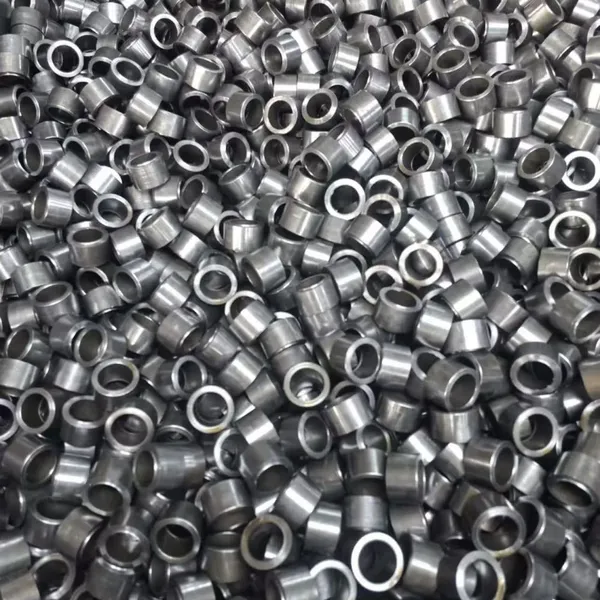 Read More
 -
Steel Rebar,Steel Reinforcement Mesh: Complete Guide for Construction & Civil Engineering
August 17, 2026Steel Reinforcement Mesh: Complete Guide for Construction & Civil Engineering Steel reinforcement mesh, also known as wel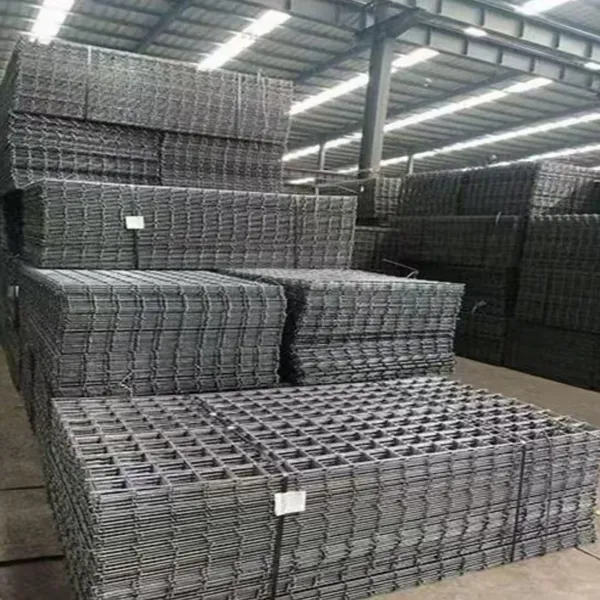 Read More

Contact Us

Recommended Products
-
 Steel Sheet & Plate & Boiler Plate,EN 10028、ASTM A516 Gr60/70、P265GH、P355GHNegotiableMOQ: 5 Metric Tons
 -
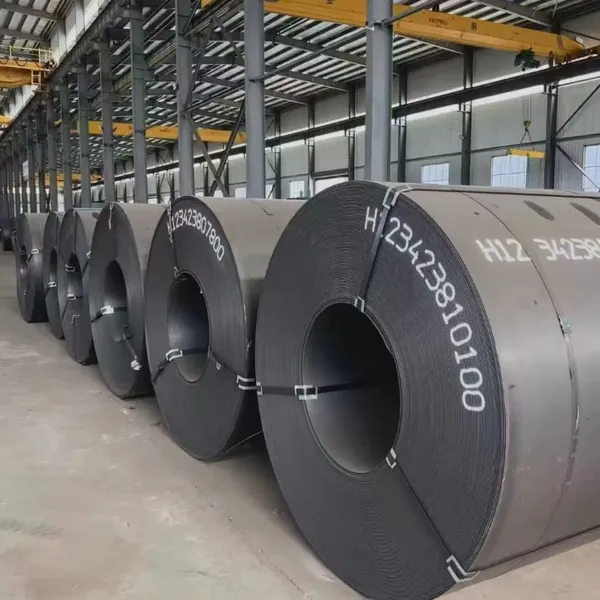
Steel Coil & Strip & Hot Rolled Steel Coil,Q235B、SS400、A36、S235JR、SPHC、SPHD、Q355B/C/D、S355JR、S355J0NegotiableMOQ: 5 Metric Tons
-
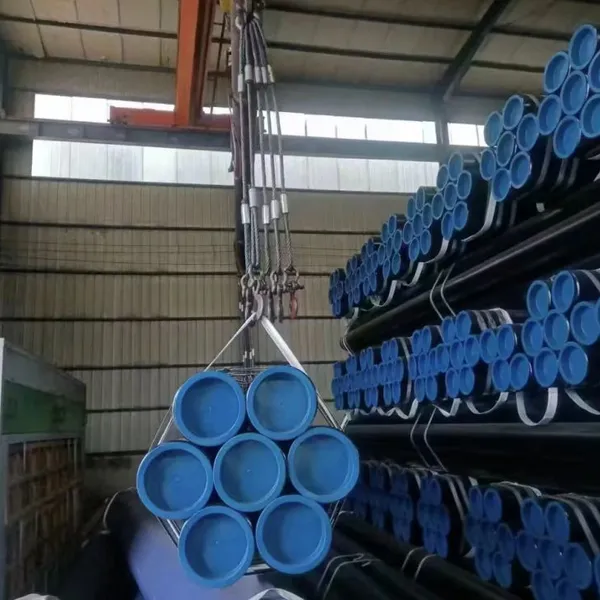
Steel Pipe & Tube & Oil Country Tubular Goods,API 5L Gr.B、X42、X52、X60、X65、X70、X80、E75、X95、G105、S135NegotiableMOQ: 5 Metric Tons
-
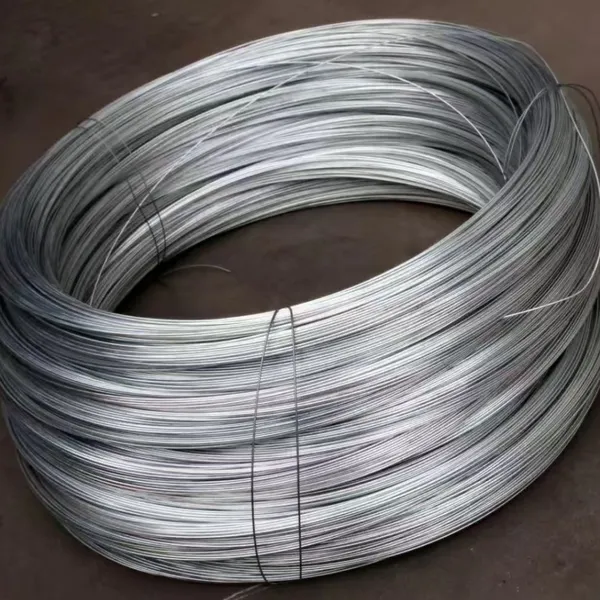
Iron Wire&Galvanized Iron Wire,GB/T 343, ASTM A853, JIS G 3532, EN 10264,Q195, Q235NegotiableMOQ: 5 Metric Tons
-
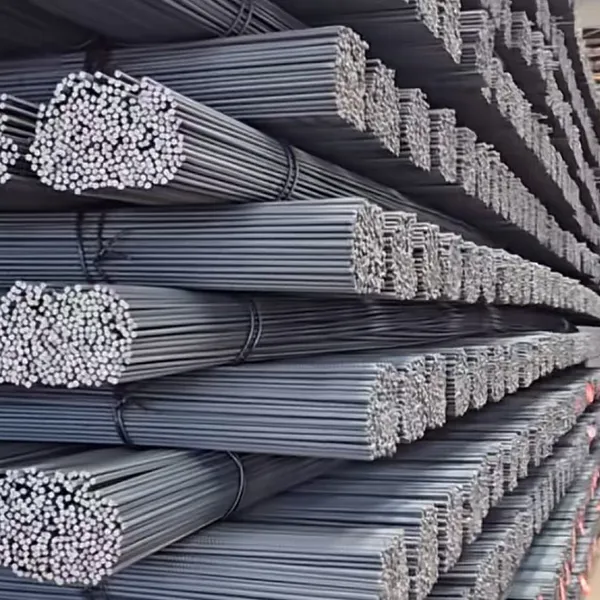
Rebar&Steel Rebar&Hot Rolled Rebar,HRB400, HRB500, HRBF400, HRBF500, B500B, B500C, Grade 60, Grade 75NegotiableMOQ: 5 Metric Tons
-
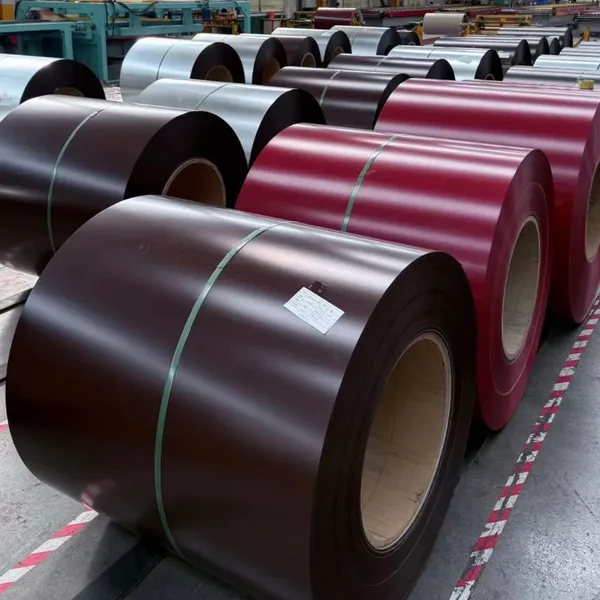
Steel Coil & Strip & Color Coated Steel Coil,PE, SMP, HDP, PVDFNegotiableMOQ: 5 Metric Tons
-
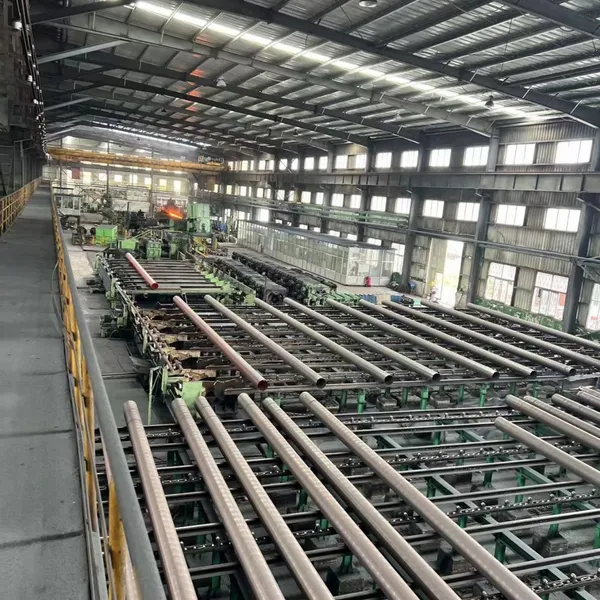
Seamless Steel Pipe& Steel Pipe & Tube,Q235B, Q355B, 20#, 45#, 16Mn, API 5L Gr.B, X42, X46, X52, X56, X60, X65, X70NegotiableMOQ: 5 Metric Tons
-
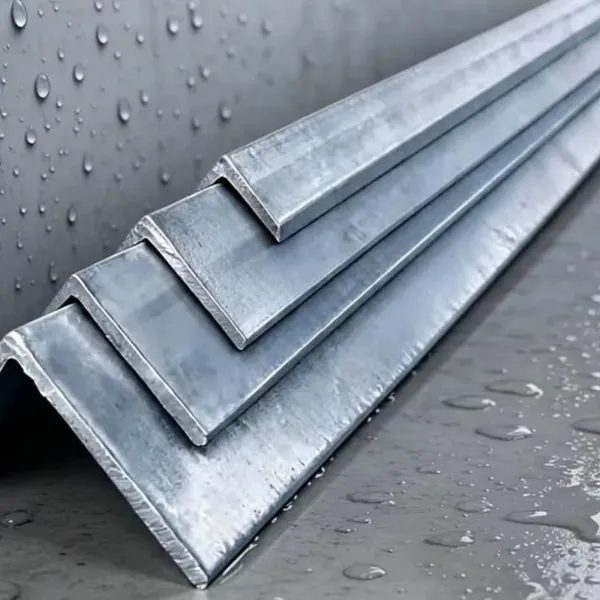
Angle Steel & Angle Bar,ASTM A36, JIS G3101, EN S235JR/S355JR, SS400NegotiableMOQ: 5 Metric Tons
-
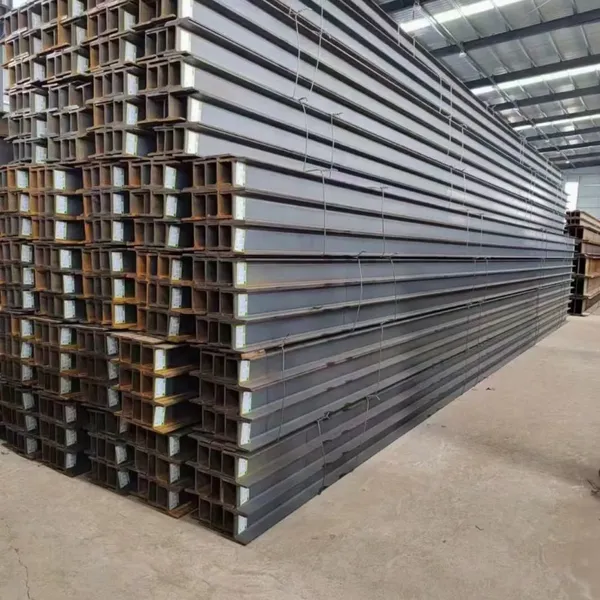
Steel H Beam&H Beam ,Q235B, Q355B, S235JR, S235J0, S235J2, S355JR, S355J0, S355J2, A36, A572 Grade 50, A992NegotiableMOQ: 10 Metric Tons
-
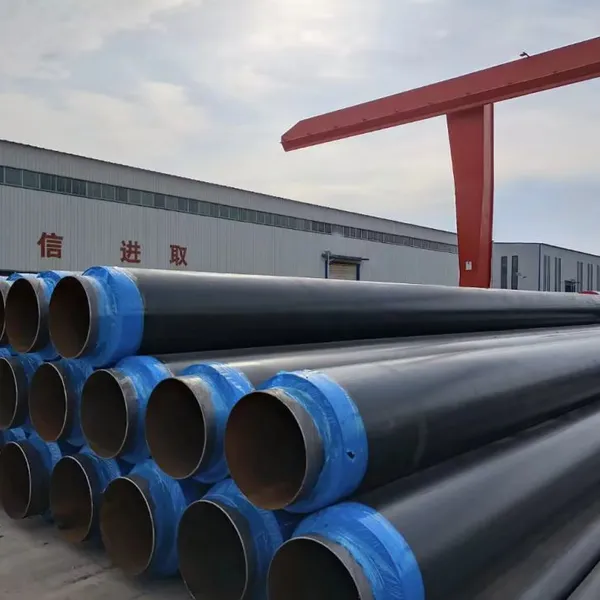
Insulated Steel Pipe&Insulated Seamless Steel Pipe,RoHS, REACH, UL 94, VDE, IEC, GB/T 7113NegotiableMOQ: 5 Metric Tons
-
Hot-dip Galvanized Square Tubes&Steel Pipe & Tube,Q195, Q215, Q235B, Q355B, API 5L Gr.BNegotiableMOQ: 5 Metric Tons
-
Steel Pipe & Tube & High Pressure Boiler Tube,ASTM A213 (T Series)、ASTM A335 (P Series)、ASME SA213、SA335、EN 10216-2NegotiableMOQ: 5 Metric Tons
-
Steel Pipe & Tube & High Pressure Boiler Tube,38、42、48、51、57、60、76、89、108、133、159、168、194、219NegotiableMOQ: 5 Metric Tons
-
Insulated Pipe&Pre-insulated Pipe,RoHS, REACH, UL 94, VDE, IEC, GB/T 7113NegotiableMOQ: 5 Metric Tons
-
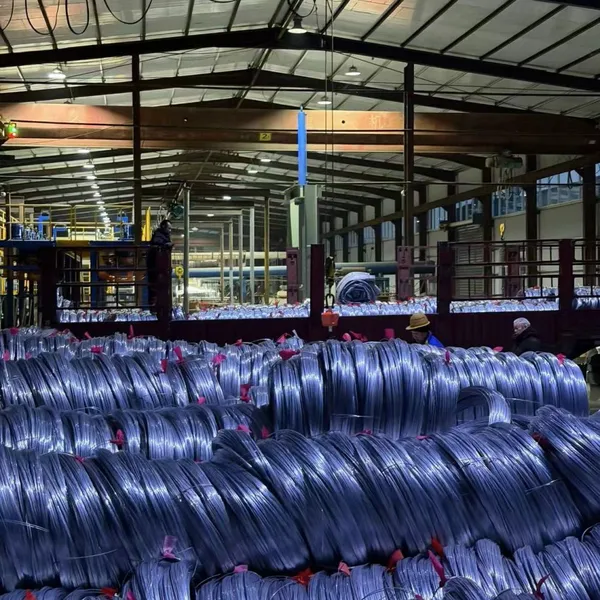
Steel Wire&Galvanized Steel Wire,Q195, Q235, 45#, 55#, 60#, 65#, 70#, 72A, 82BNegotiableMOQ: 5 Metric Tons
-
Steel Coil & Strip & Color Coated Steel Coil,TDC51D+Z、TS250GD+Z、TDC51D+AZ、TS350GD+AZ、TDC51D+ZM、SPCC、DC01NegotiableMOQ: 5 Metric Tons
-
Steel Pipe & Tube & Hot-Dip Galvanizing,Q195、Q215B、Q235BNegotiableMOQ: 5 Metric Tons
-
Steel Coil & Strip & Hot Rolled Coil,Q195、Q215、Q235B、Q255、Q345B、Q355B、Q420、Q460、SS400、SPHC、SPHD、SPHENegotiableMOQ: 5 Metric Tons
-
Steel Rebar & Deformed Steel Bar,HRB400、HRB400E、HRB500、HRB500ENegotiableMOQ: 5 Metric Tons
-
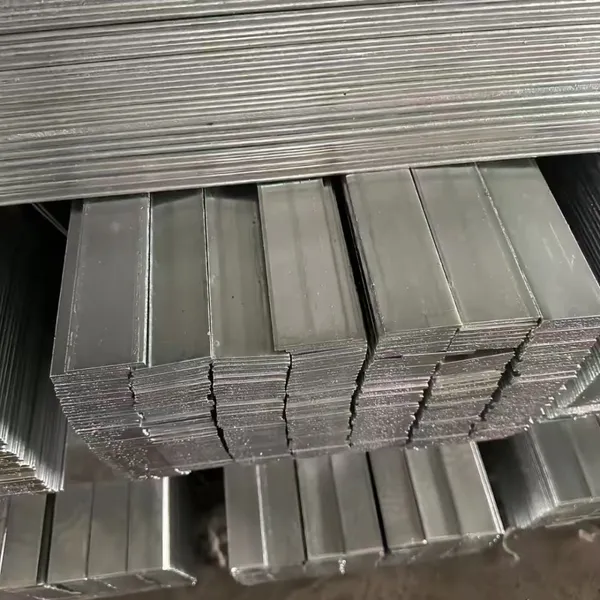
Galvanized Flat Bar&Flat Steel,GB/T 704, GB/T 13912, ASTM A123, JIS G3302NegotiableMOQ: 5 Metric Tons