
 Business License
Steel Rebar – Complete Guide for Construction Reinforcement Bar
Steel Rebar – Complete Guide for Construction Reinforcement Bar
Steel rebar, also known as reinforcing bar or deformed steel bar, is a core building material used to strengthen concrete structures in modern construction engineering. With high tensile strength, stable ductility, strong grip force with concrete, and excellent seismic performance, steel rebar has become the most essential steel product for residential buildings, commercial projects, highways, bridges, dams, and infrastructure construction worldwide.
What is Steel Rebar?
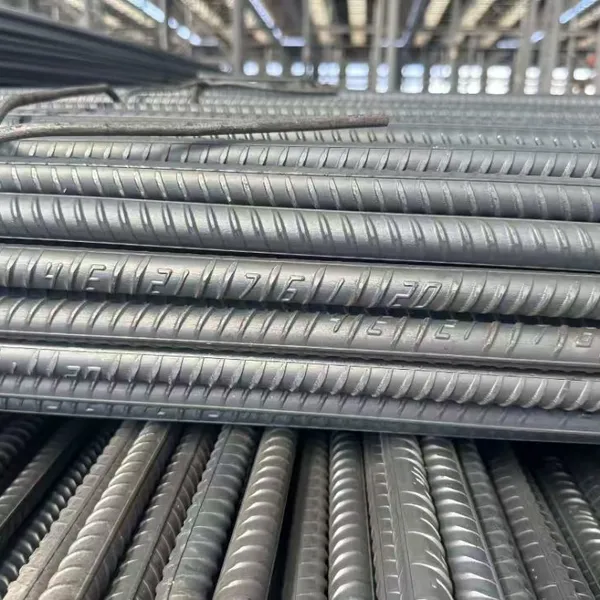
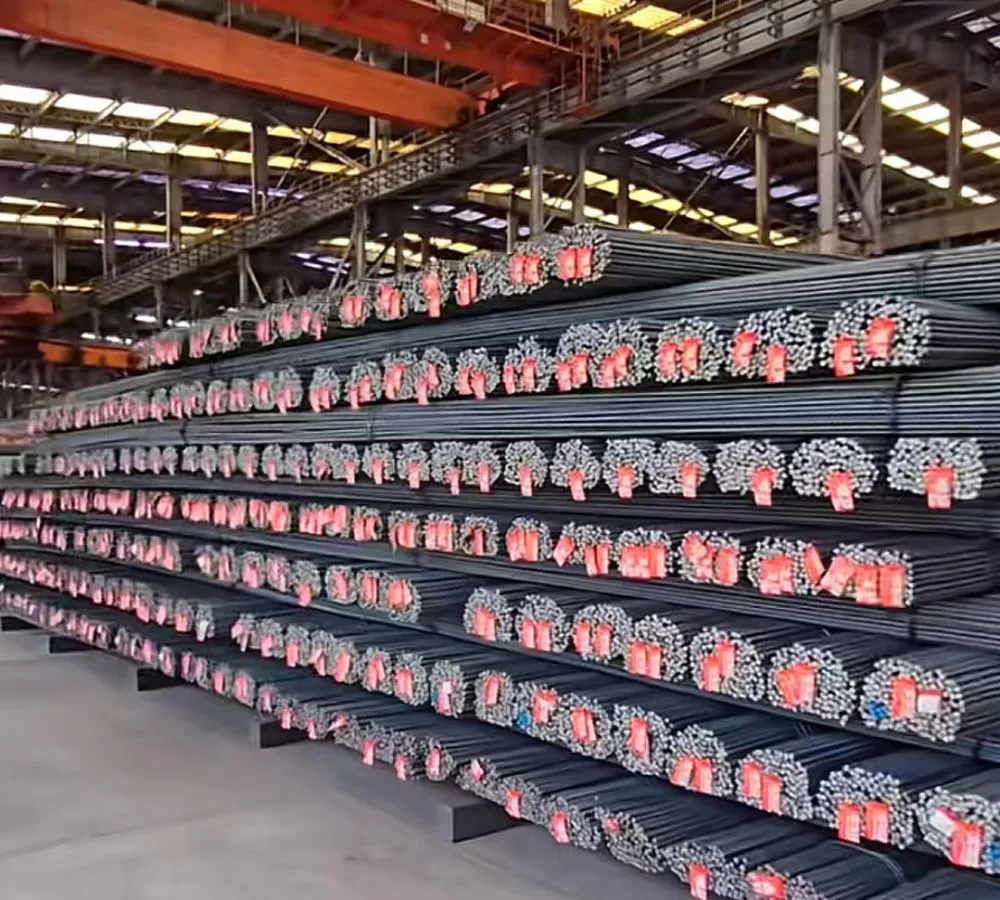
Steel rebar is a hot-rolled ribbed steel bar with continuous transverse ribs on the surface. The ribbed design greatly increases friction and bonding strength between steel bar and concrete, effectively preventing structural cracking and deformation.
Compared with plain round bar, deformed rebar provides superior tensile resistance, seismic resistance and structural stability, making it irreplaceable in reinforced concrete engineering.
Main Types of Steel Rebar
According to international standards, rebar is divided into different strength grades and standards to adapt to global construction projects.
1. HRB400 / HRB400E (Grade 400)
The most widely used reinforcement grade in global construction.
Features: moderate strength, excellent ductility, stable welding performance, suitable for general buildings, roads, bridges and ordinary infrastructure.
2. HRB500 / HRB500E (Grade 500)
High-strength seismic rebar.
Features: higher tensile strength, stronger load-bearing capacity, ideal for high-rise buildings, large industrial plants, heavy-load structures and seismic key projects.
3. European Standard Rebar (B500B / B500C)
Fully compliant with EN10080 standard, popular in Europe, Africa, Middle East and Southeast Asia projects. Stable tolerance, precise mechanical performance, perfect for international engineering bidding projects.
4. ASTM Standard Rebar (Grade 40 / 60)
Suitable for American standard projects and international engineering construction.
Common Rebar Specifications
We supply full-size complete series rebar:
- Diameter: 6mm, 8mm, 10mm, 12mm, 14mm, 16mm, 18mm, 20mm, 22mm, 25mm, 28mm, 32mm, 36mm, 40mm
- Standard length: 6m, 9m, 12m
- Custom fixed-length cutting available
All sizes have uniform rib height, straight bar body, no bending, no rust spots, stable mechanical performance.
Key Performance Advantages
- High tensile strength and yield strength
- Strong concrete adhesion force
- Good elongation and seismic performance
- Excellent bending and welding property
- Stable chemical composition
- Durable structure, long service life
Main Applications of Steel Rebar
1. Building Construction
High-rise buildings, residential communities, commercial buildings, factory workshops, and concrete frame structures.
2. Infrastructure Engineering
Highway roads, railway projects, bridge reinforcement, tunnel support, airport and port construction.
3. Hydraulic & Municipal Engineering
Dams, water conservancy projects, sewage treatment structures, municipal bridge and viaduct reinforcement.
4. Large Industrial Projects
Power plants, chemical plants, industrial heavy-load foundation structures.
Our Rebar Supply Advantages
- Full specifications in stock, complete sizes
- Strict national & international standard production
- Stable mechanical properties and precise dimensional tolerance
- E-grade seismic resistant rebar available
- Custom length cutting service
- Official factory MTC 3.1 certification provided
- Professional export bundling, marking and sea packing
- Fast FOB shipment from Qingdao Port
Conclusion
Steel rebar is the backbone of all reinforced concrete structures. Whether for residential construction, municipal infrastructure, or large-scale international engineering projects, high-quality deformed steel rebar ensures structural safety, stability and durability.
We provide high-quality HRB400E, HRB500E, B500B and ASTM grade rebar with reliable quality, competitive price and full export service for global customers.
Recently Posted
-
Hot‑Rolled Steel Coil (HRC): Specifications, Grades, Applications & Export Guide
August 28, 2026Hot‑Rolled Steel Coil (HRC): Specifications, Grades, Applications & Export GuideHot‑rolled steel coil (HRC) is one of the most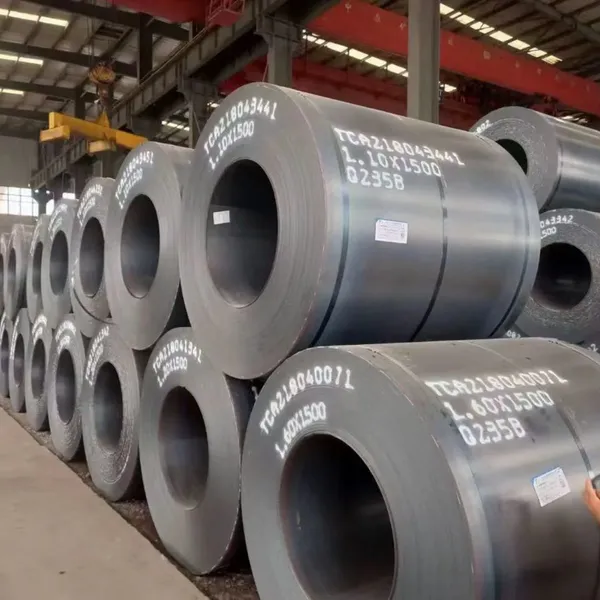 Read More
 -
Deformed Steel Rebar: Specifications, Grades, Applications and Export Guide
August 28, 2026Deformed Steel Rebar: Specifications, Grades, Applications and Export GuideDeformed steel rebar, also known as reinforcement bar,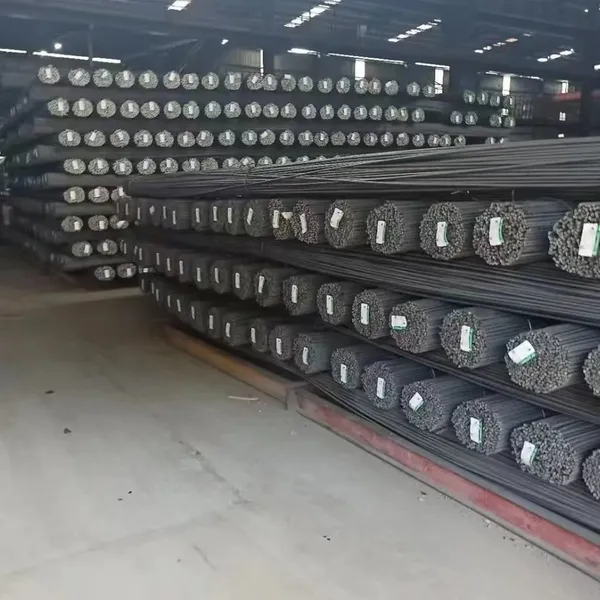 Read More
 -
Steel Pipe Cutting Parts | Precision Cut to Size, Burr-Free & Custom Processing
August 19, 2026Steel Pipe Cutting Parts | Precision Cut to Size, Burr-Free & Custom Processing Steel pipe cutting parts are essential se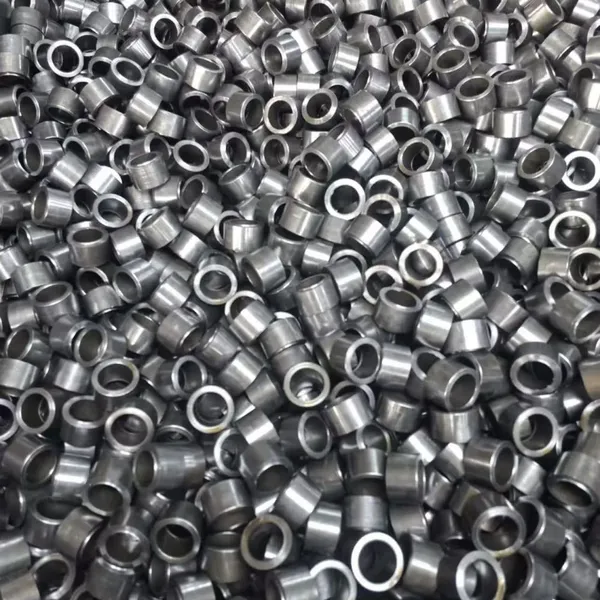 Read More
 -
Steel Rebar,Steel Reinforcement Mesh: Complete Guide for Construction & Civil Engineering
August 17, 2026Steel Reinforcement Mesh: Complete Guide for Construction & Civil Engineering Steel reinforcement mesh, also known as wel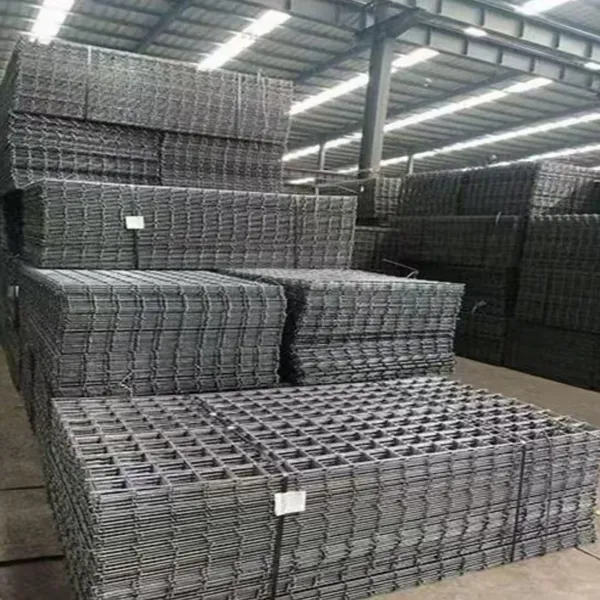 Read More

Contact Us

Recommended Products
-
 Steel Sheet & Plate & Boiler Plate,EN 10028、ASTM A516 Gr60/70、P265GH、P355GHNegotiableMOQ: 5 Metric Tons
 -
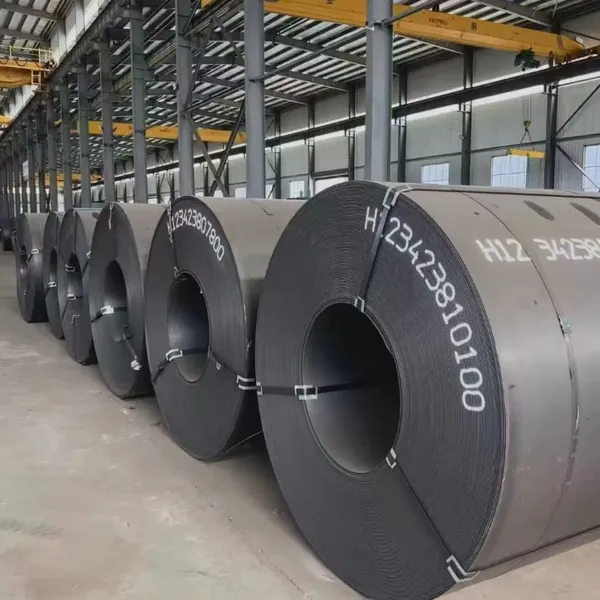
Steel Coil & Strip & Hot Rolled Steel Coil,Q235B、SS400、A36、S235JR、SPHC、SPHD、Q355B/C/D、S355JR、S355J0NegotiableMOQ: 5 Metric Tons
-
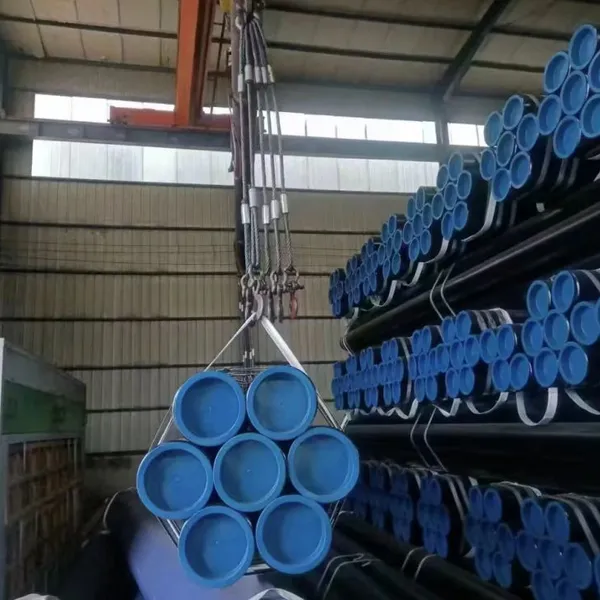
Steel Pipe & Tube & Oil Country Tubular Goods,API 5L Gr.B、X42、X52、X60、X65、X70、X80、E75、X95、G105、S135NegotiableMOQ: 5 Metric Tons
-
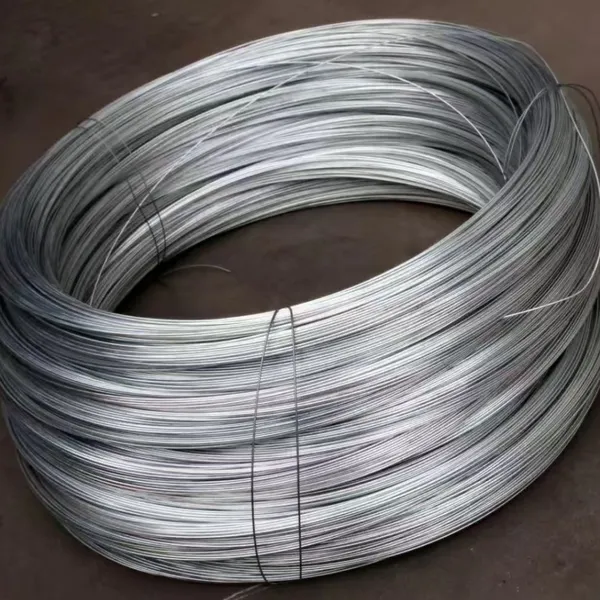
Iron Wire&Galvanized Iron Wire,GB/T 343, ASTM A853, JIS G 3532, EN 10264,Q195, Q235NegotiableMOQ: 5 Metric Tons
-
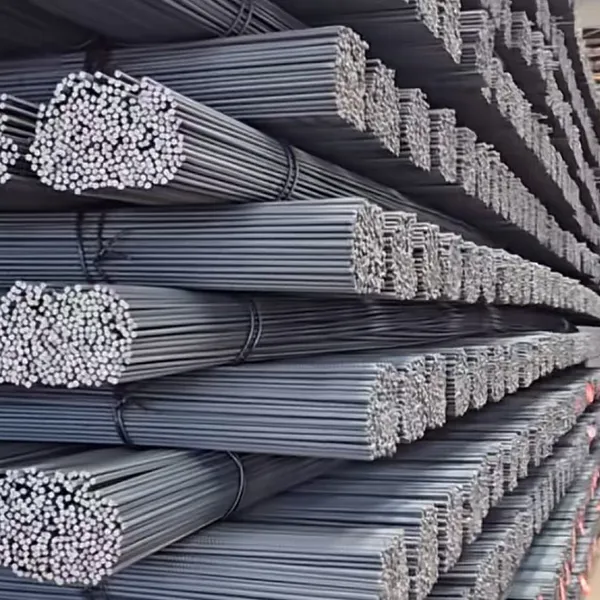
Rebar&Steel Rebar&Hot Rolled Rebar,HRB400, HRB500, HRBF400, HRBF500, B500B, B500C, Grade 60, Grade 75NegotiableMOQ: 5 Metric Tons
-
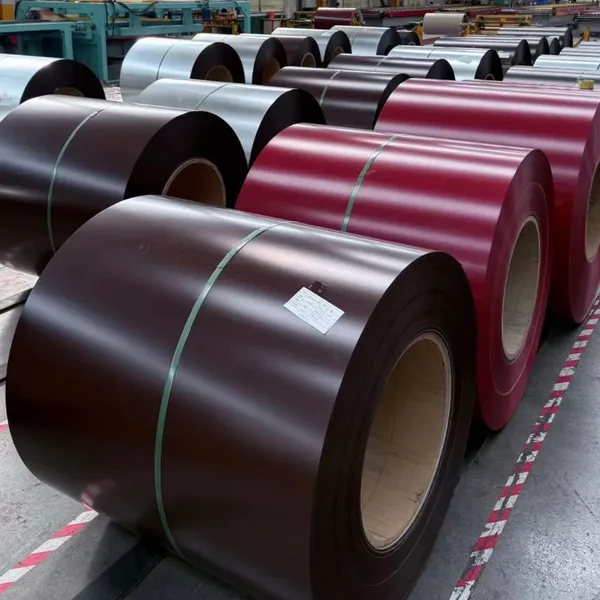
Steel Coil & Strip & Color Coated Steel Coil,PE, SMP, HDP, PVDFNegotiableMOQ: 5 Metric Tons
-
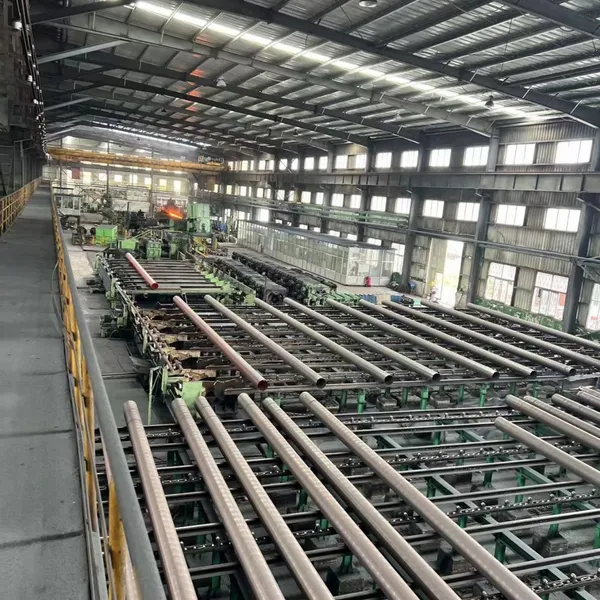
Seamless Steel Pipe& Steel Pipe & Tube,Q235B, Q355B, 20#, 45#, 16Mn, API 5L Gr.B, X42, X46, X52, X56, X60, X65, X70NegotiableMOQ: 5 Metric Tons
-
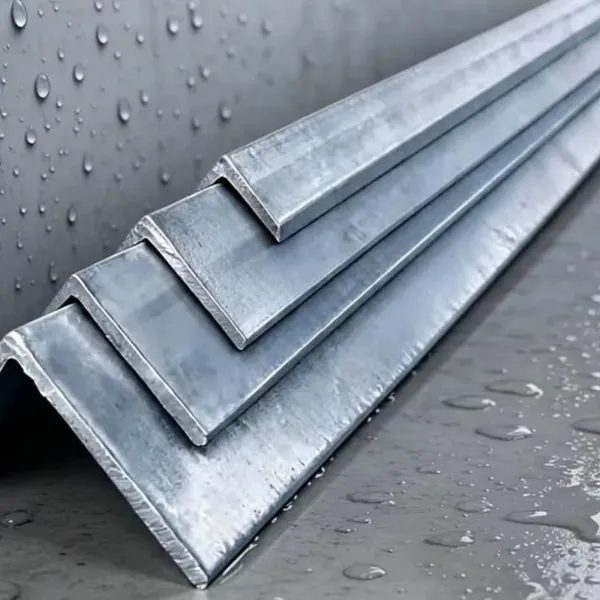
Angle Steel & Angle Bar,ASTM A36, JIS G3101, EN S235JR/S355JR, SS400NegotiableMOQ: 5 Metric Tons
-
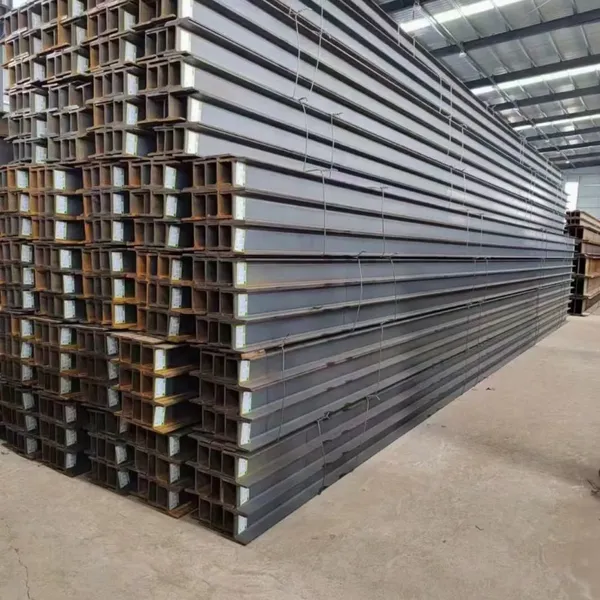
Steel H Beam&H Beam ,Q235B, Q355B, S235JR, S235J0, S235J2, S355JR, S355J0, S355J2, A36, A572 Grade 50, A992NegotiableMOQ: 10 Metric Tons
-
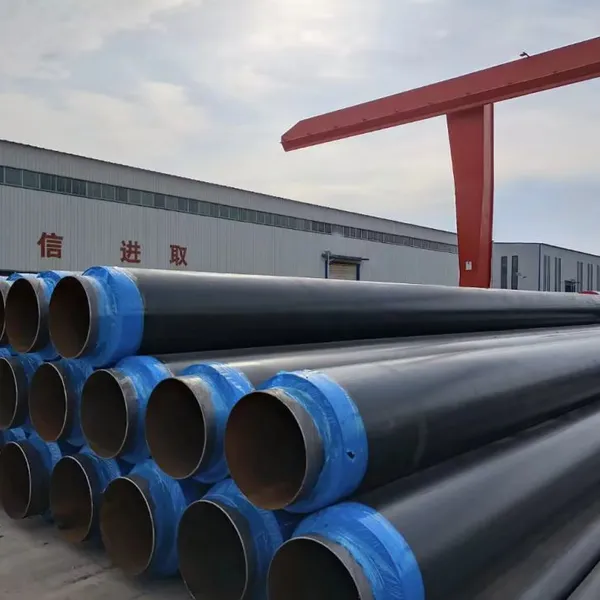
Insulated Steel Pipe&Insulated Seamless Steel Pipe,RoHS, REACH, UL 94, VDE, IEC, GB/T 7113NegotiableMOQ: 5 Metric Tons
-
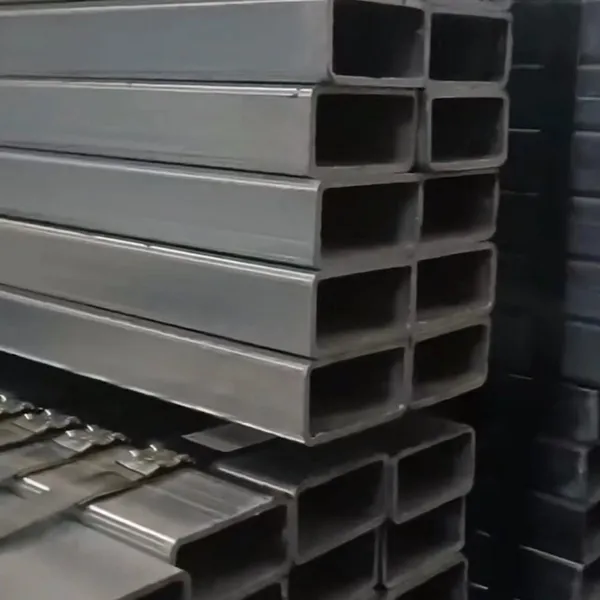
Hot-dip Galvanized Square Tubes&Steel Pipe & Tube,Q195, Q215, Q235B, Q355B, API 5L Gr.BNegotiableMOQ: 5 Metric Tons
-
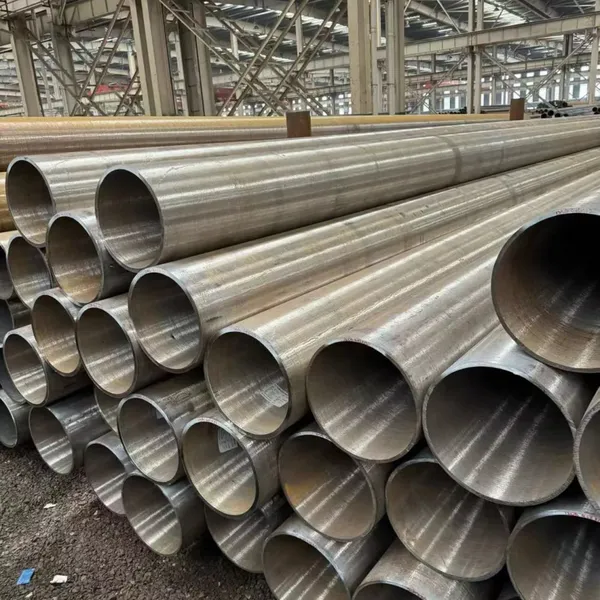
Steel Pipe & Tube & High Pressure Boiler Tube,ASTM A213 (T Series)、ASTM A335 (P Series)、ASME SA213、SA335、EN 10216-2NegotiableMOQ: 5 Metric Tons
-
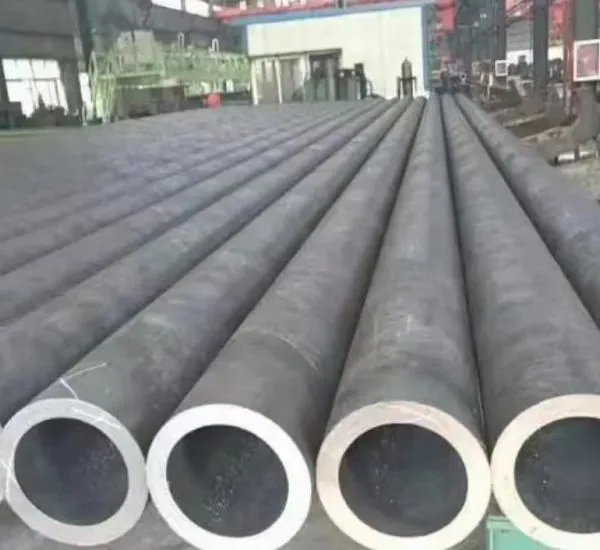
Steel Pipe & Tube & High Pressure Boiler Tube,38、42、48、51、57、60、76、89、108、133、159、168、194、219NegotiableMOQ: 5 Metric Tons
-
Insulated Pipe&Pre-insulated Pipe,RoHS, REACH, UL 94, VDE, IEC, GB/T 7113NegotiableMOQ: 5 Metric Tons
-
Steel Wire&Galvanized Steel Wire,Q195, Q235, 45#, 55#, 60#, 65#, 70#, 72A, 82BNegotiableMOQ: 5 Metric Tons
-
Steel Coil & Strip & Color Coated Steel Coil,TDC51D+Z、TS250GD+Z、TDC51D+AZ、TS350GD+AZ、TDC51D+ZM、SPCC、DC01NegotiableMOQ: 5 Metric Tons
-
Steel Pipe & Tube & Hot-Dip Galvanizing,Q195、Q215B、Q235BNegotiableMOQ: 5 Metric Tons
-
Steel Coil & Strip & Hot Rolled Coil,Q195、Q215、Q235B、Q255、Q345B、Q355B、Q420、Q460、SS400、SPHC、SPHD、SPHENegotiableMOQ: 5 Metric Tons
-
Steel Rebar & Deformed Steel Bar,HRB400、HRB400E、HRB500、HRB500ENegotiableMOQ: 5 Metric Tons
-
Galvanized Flat Bar&Flat Steel,GB/T 704, GB/T 13912, ASTM A123, JIS G3302NegotiableMOQ: 5 Metric Tons